
Most people assume a RICS Level 3 survey is the best survey money can buy. For a modern house it may be all you need. An old, listed or timber-framed building is different: it is built from different materials, it handles moisture differently, and its history and legal status matter. That is where our surveys go much further.
A full day
on site, recording the building and its defects
1 to 3 days
analysing and writing your report
50 to 60+ pages
written for your building, with up to 200 photographs
£10,000
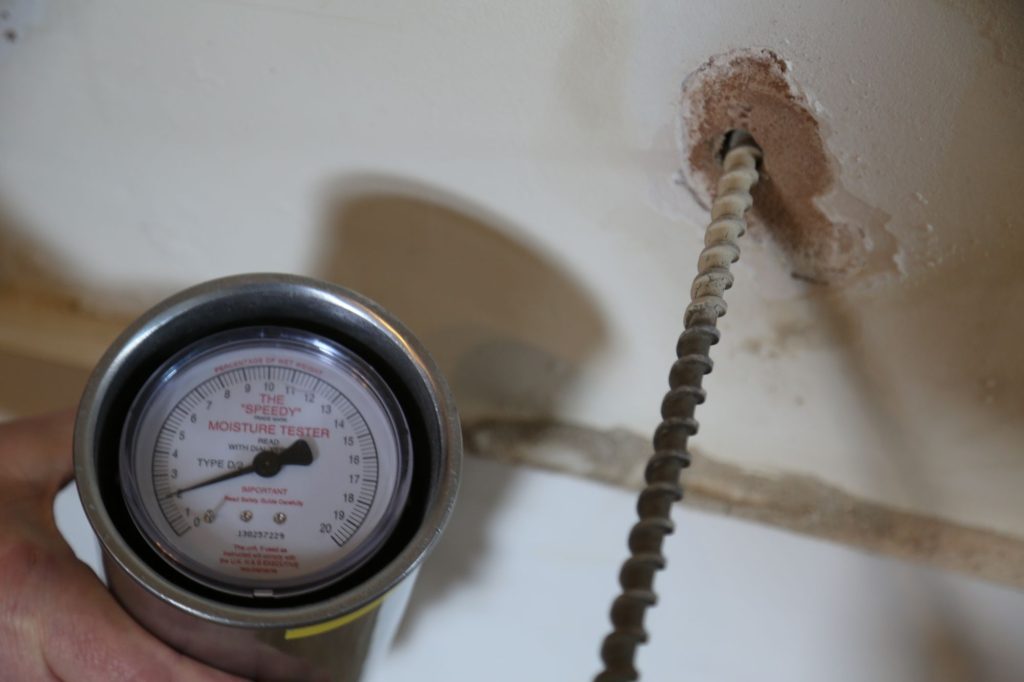
of survey equipment, not a £20 damp meter
Side by side
Our pre-purchase surveys start from the same point as a RICS Level 3 survey. The difference is depth, hands-on experience of old buildings, and a proper understanding of moisture – the single biggest cause of damage to an old building.
| A typical RICS survey of an old building | A Heritage House survey | |
|---|---|---|
| Who carries it out | A chartered surveyor, often a generalist with little hands-on experience of traditional construction. | Historic building surveyors who repair, take apart and rebuild old buildings themselves. |
| Time on site | Often a few hours. The report is usually completed the same day. | A full day on site, then one to three days analysing and writing up. |
| The report | Largely standard wording, with many caveats: “we could not lift this, we could not reach that”. Meaningless photos too small to see properly. | Written for your building, often 50 to 60 pages or more, with up to 200 photographs. No cut and paste. |
| Measuring moisture | Usually a hand-held “damp meter”, which gives misleading readings in old walls. | Thermal imaging, thermo-hygrometers and carbide testing. Pete co-wrote the RICS moisture investigation methodology (JPS). |
| Damp and timber | Often recommends a separate timber & damp report, usually from a company that sells treatments. | We find the real cause ourselves. We do not sell damp-proofing or chemical treatments. |
| Listed buildings | Checking the listing and past consents is usually left to your solicitor, who cannot see the building. | We research the listing, planning history and consents, and flag unauthorised works you would inherit. |
| Traditional materials | Limited training in lime, timber framing and how old walls handle moisture. | Our everyday work: lime mortars and plasters, oak framing, sympathetic repair. |
| Repair costs | Rarely given. | An indication of what repairs will cost, based on years of doing them. |
| Equipment | Often little more than a damp meter, ladder and torch. Meaningless damp readings trigger a ‘Timber and Damp’ report from someone else. | Around £10,000 of kit: thermal imaging camera, thermo-hygrometer, pole camera, drone. And the skills to use it properly. |
| After the survey | Usually ends with the report. | We hold your hand as you move into your new home. Can help with specifications, Advice on materials, trusted craftsmen and, if it comes to it, expert witness support. |
| Surveyor skills | Generic RICS membership. Invariably zero Conservation skills. Never have skill in understanding and diagnosing moisture and dampness in buildings. | Our team are all Conservation trained and accredited with demonstrated history of working with old buildings. Highly trained in science of water and diagnosing damp issues. |
Why it matters
A lot of our work is expert witness work for buyers whose low-cost RICS survey missed serious problems with an old building. In one recent case, a timber-framed manor house worth around a million pounds was surveyed by a RICS conservation-accredited surveyor who missed structural problems with the frame – problems were visible from the road. The owner is now claiming nearly £400,000 from the surveyor.
When you buy a listed building, you inherit legal responsibility for any unauthorised work done before you owned it. Plastic windows in a listed house, for example, can mean an order to replace them at your own cost – in one case Pete worked on, nearly £100,000. Our surveys check the listing and planning history so you know before you exchange. Most RICS surveys will tell you to ‘Get your conveyancer to check Listing details’. They cannot. They are not on the ground in the building to see what is there, and how this compares with the Listing.
Here is a very typical example of the problems faced by buyers and sellers: A modest terraced property near London, part brick and part stone has been sold for around £300,000. The RICS valuation surveyor demanded a ‘PCA timber and Damp survey’. Rising damp was inevitably diagnosed by a PCA contractor on behalf of the buyer, and a quote for £7,000 for damp proofing was handed to the vendor of the property. The buyers told the vendor they wanted a price reduction. The vendor was certain that his property had no damp problems and needed assistance to demonstrate that there were no issues. On visiting the property, damp meter pinpricks were found and carbide samples were taken at these exact locations which showed the property was dry and needed no damp proofing. The purchasers were given a copy of the report that conclusively eliminated any problems. The damp contractor had used a resistance meter to claim that the property was damp, and gain £7,000 worth of fraudulently misdiagnosed work. The sale completed without price reduction.
A survey quoted at around £900 cannot cover a day on site and several days of analysis. We are not the cheapest, but on what is probably the largest purchase you will ever make, the difference in fee is small next to the cost of a missed defect. See what our fees cover →
Questions to ask any surveyor
Whoever you choose, ask these before you book. The answers will tell you a lot.
- How will you measure and report moisture in the building?
- Have you ever restored or rebuilt an old building yourself?
- Do you understand timber framing, lime mortar and breathability?
- Will you check the listing and planning history, or leave that to my solicitor?
- How long will you spend on site, and how long writing the report?
What our clients say
Pete Ward not only rubbished many of the generic recommendations of our mortgage company’s appointed building surveyor, he also found several structural issues with our house which were not brought to our attention.
Steve & Kirsty
After a survey by their lender’s surveyor
They did an incredibly thorough job… and produced one of the most comprehensive and complete surveys I have ever seen. They were not the cheapest, but they were certainly competitive. In the long run, it has actually saved us money.
Sarah
Full building survey, Grade II listed Georgian house, Worcestershire
Get a survey that understands your building
Send us the address and the estate agent’s listing, and we’ll recommend the right survey and confirm a fixed fee. Or call head office on 01746 862 640.