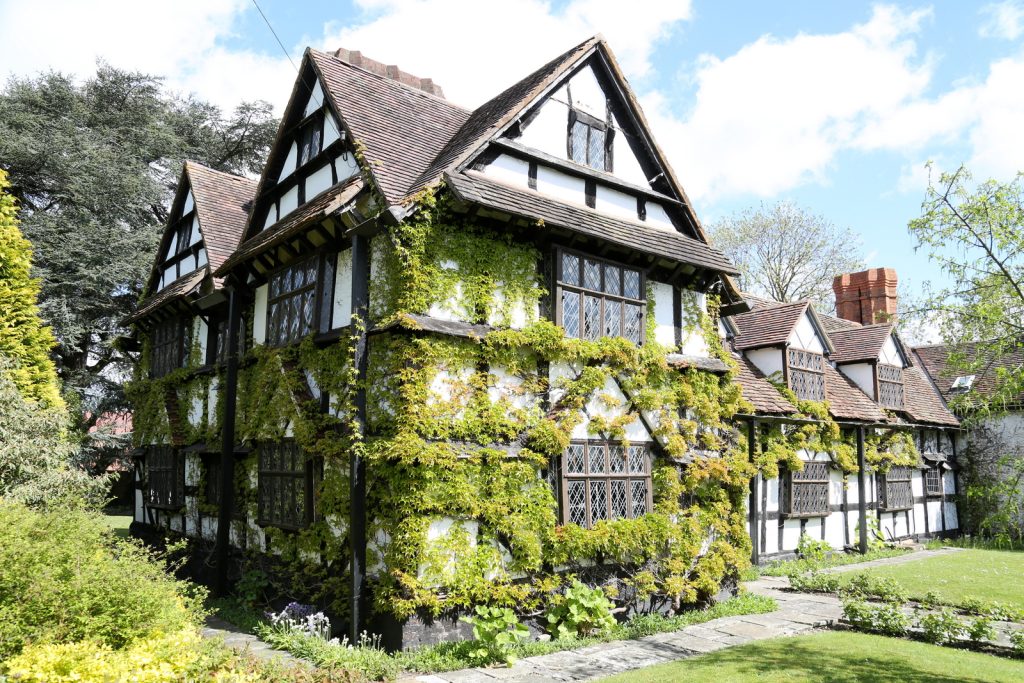
Our listed-building surveys help buyers and owners understand a historic property, its condition and the work it may need. Practical experience of conserving and repairing old buildings informs the inspection.
These Listed Building Surveys are sometimes referred to a Historic Building Surveys.
Hundreds
of listed building surveys all over the country
Listing and planning
history checked for unauthorised works
Conservation
specialists who repair old buildings themselves
You are welcome
to join us on the day of the survey
What the survey covers
Structure, materials and history
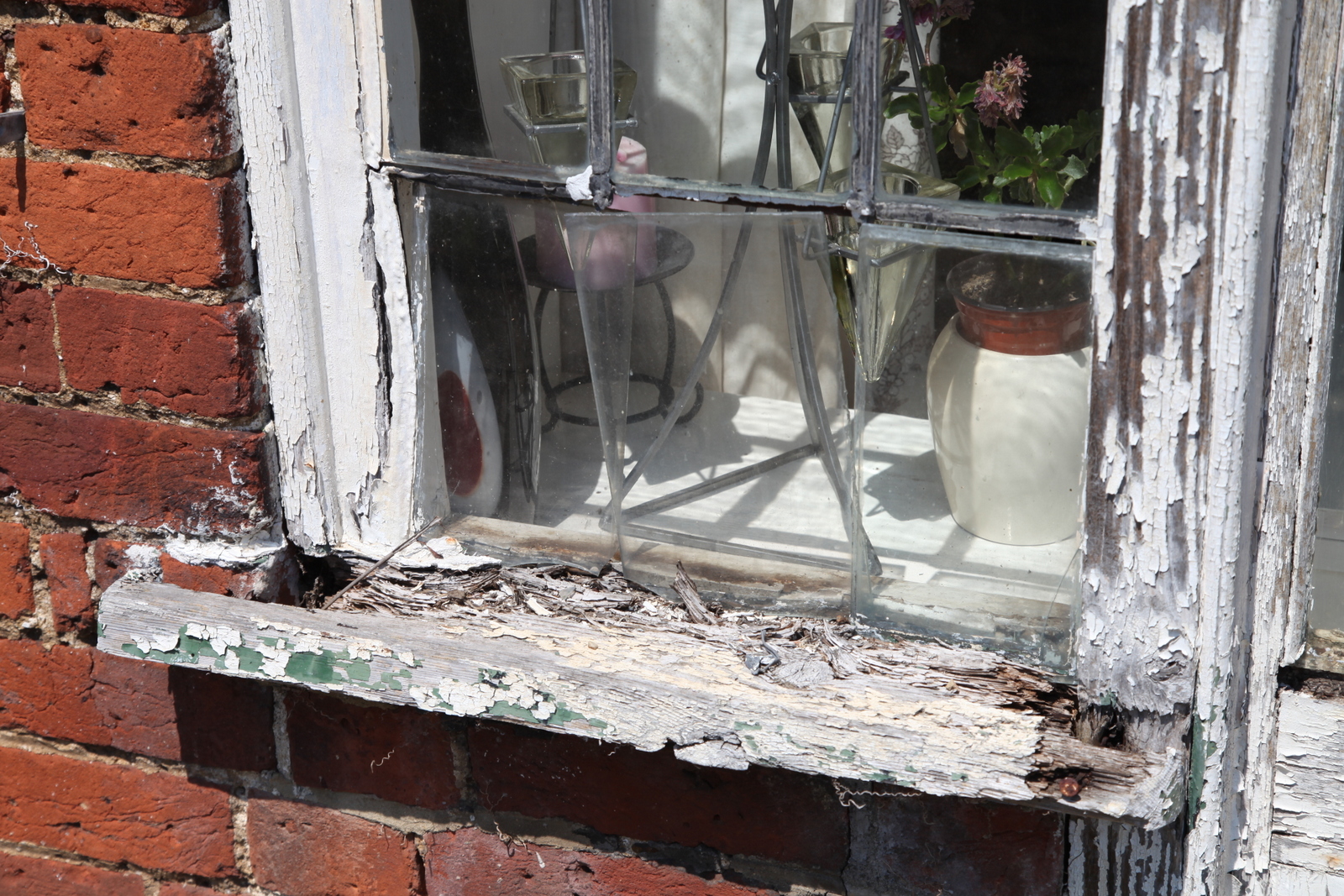
We examine how the building was constructed and changed over time, including its timber, masonry, mortars, roofing and finishes. We consider visible defects, moisture, timber decay and the effect of previous repairs.
Alterations and records
The inspection considers the physical building alongside relevant listing and planning records. Apparent discrepancies and alterations can be flagged for further investigation with the appropriate advisers.
Repair priorities and future plans
We discuss repair priorities, suitable materials and the practical implications of proposed work. Related consultancy can help with heritage statements, specifications, drawings and liaison with other professionals. Tell us about any changes you have in mind when arranging the survey.
Specialist buildings
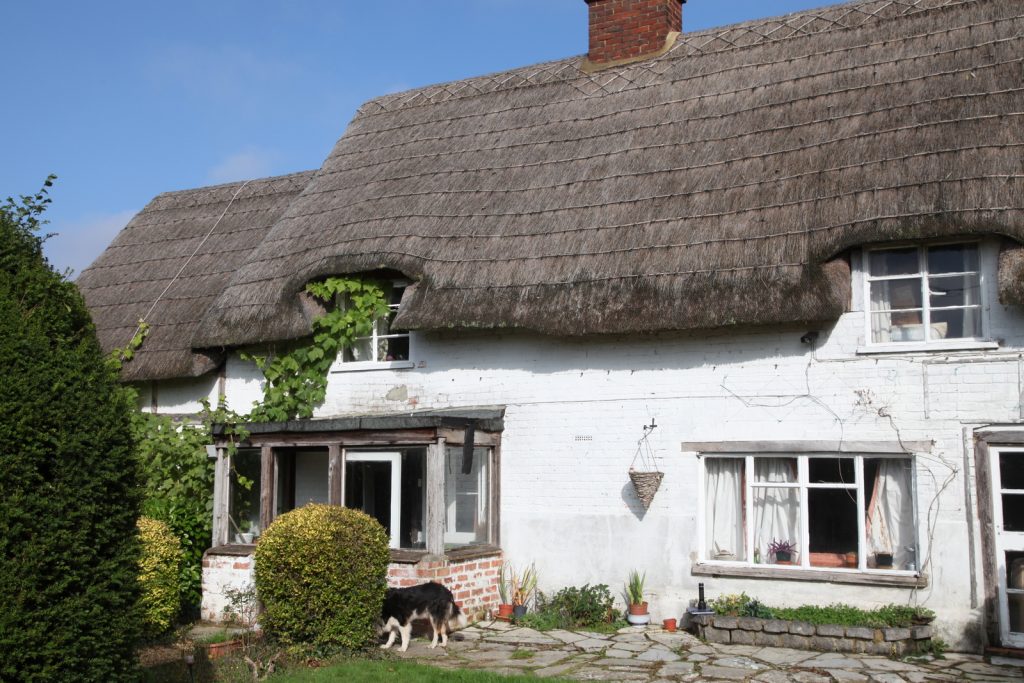
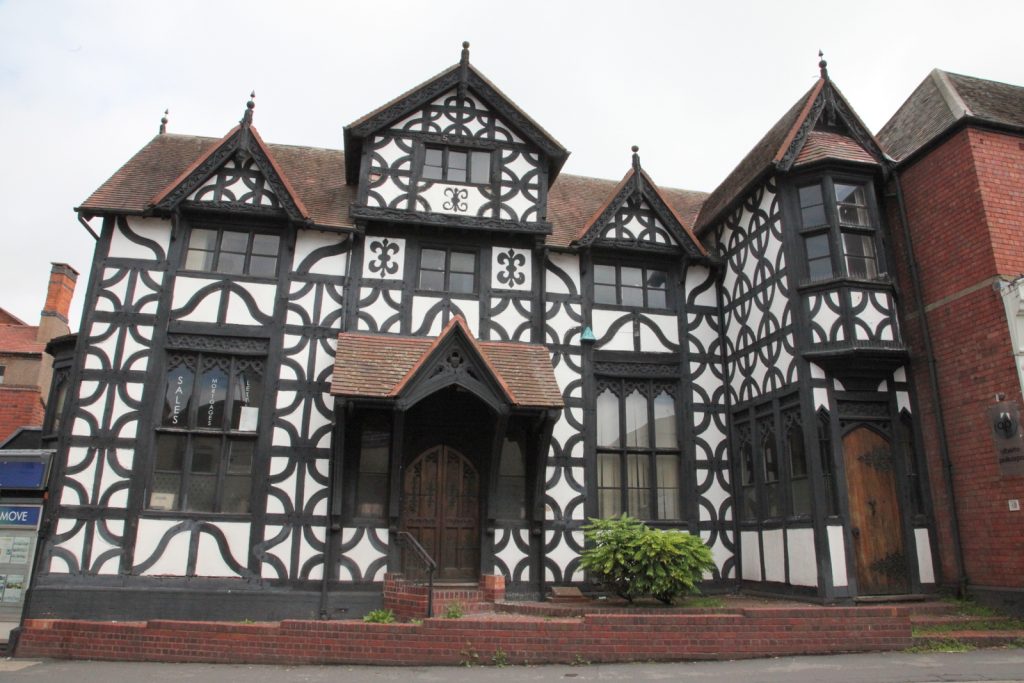
Timber-framed and thatched properties require particular attention. Our related services explain how we investigate frames, joints, infill panels and roofing.
If you are buying a listed building
We survey the building exhaustively – looking at structure, the materials it is made of, its history and development.
We look for any unauthorised alterations or additions the previous owners may have carried out. Don’t forget you will automatically assume responsibility for these if you buy the building – it passes with the building not the person who did the work. We look at the planning history of the building, and examine all Listed Building Consents that have been approved or rejected to understand what is legal and what may not be. This can have a substantial effect on any financial negotiations.
Listed building surveyors have a duty to find out if there are any unauthorised works to the building. If, for example windows have been replaced with UPVC plastic windows, this will be viewed as illegal, and you are likely to have to replace them at your cost. The team are very experienced at picking illegal works – part of the survey involves looking at the Listing, and comparing it with what is currently there. We look at the planning history of the building to ensure that any applications have been carried out legally, and any conditions imposed have been met. Often conditions are not discharged.
For example; in a recent survey Pete checked the Conditions – which clearly stated to the developer that all Gutters and Downpipes should be replaced with cast iron. They were all plastic. The seller was made to replace the plastic with new cast iron materials so the Condition was met, and the sale could proceed.
Don’t forget – when you buy a Listed Building, you INHERIT legal responsibility for anything that has been done previously, even if you didn’t have anything to do with it. It becomes YOUR responsibility. So be careful!
We look at the feasibility of any changes you are thinking of making. Often these may simply not be possible – or by changing the way they are presented, they may be eminently successful. We know the planning guidelines for alterations to Listed Buildings, and can assist with advice on what will succeed. We understand the materials to be used. Unlike other Listed Building Surveyors, we have worked with the materials, used them extensively, and understand what works and what does not.
Building Conservation is the buzz word these days – we help with all things ‘Conservation’ – working with BS: 7913 as the broad overview. Leading on from this, we look at the cost and nature of any repairs needed. We look at the materials needed – the skills required, and help to cost these repairs so you have a structured budget and specification. This will take into account the roof, chimneys, stormwater drainage, walls, ground levels, and internal plasterwork. We look at how to maintain windows – the cost to take these into a Linseed Paint system, which reduces joinery maintenance. We look at floors – how to work with limecrete floors, and introduce low level underfloor heating.
If you already own one
We work with owners of Listed Buildings to help you understand the history of the building and how it developed over the ages. This informs our understanding – what has happened since then – what materials have been used, and why. From this, we begin to build a picture of what may be wrong with the building – why is it damp, why is there decaying timber, and why is brickwork and stonework deteriorating. We explain the mechanisms which take place. Peter is an expert in geochemistry – he understands decay, chemistry, and the effects that salts have on masonry.
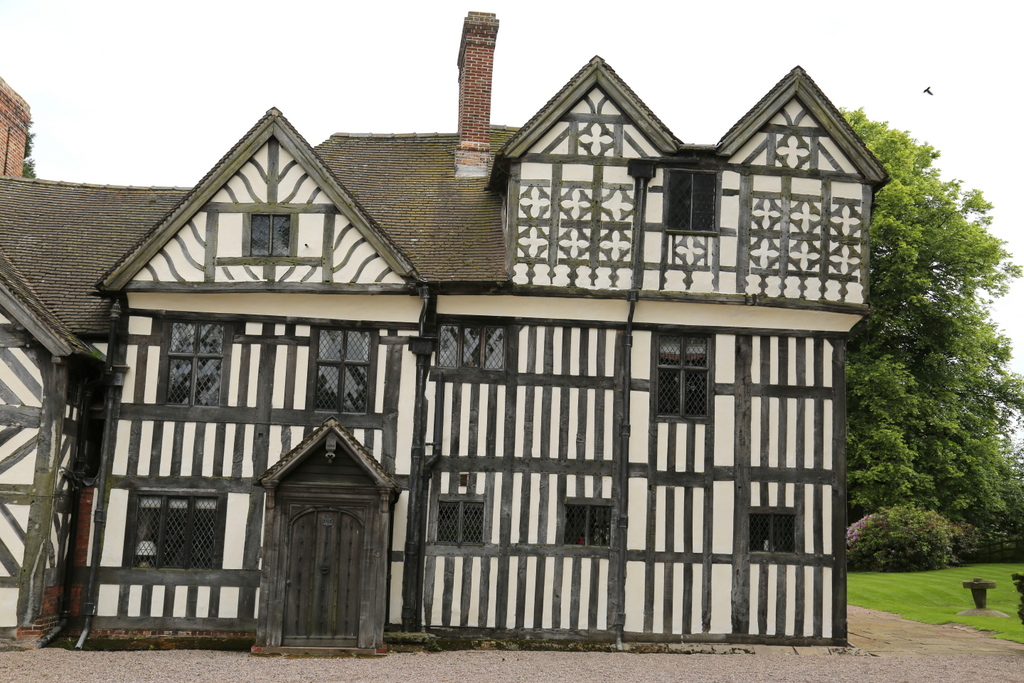
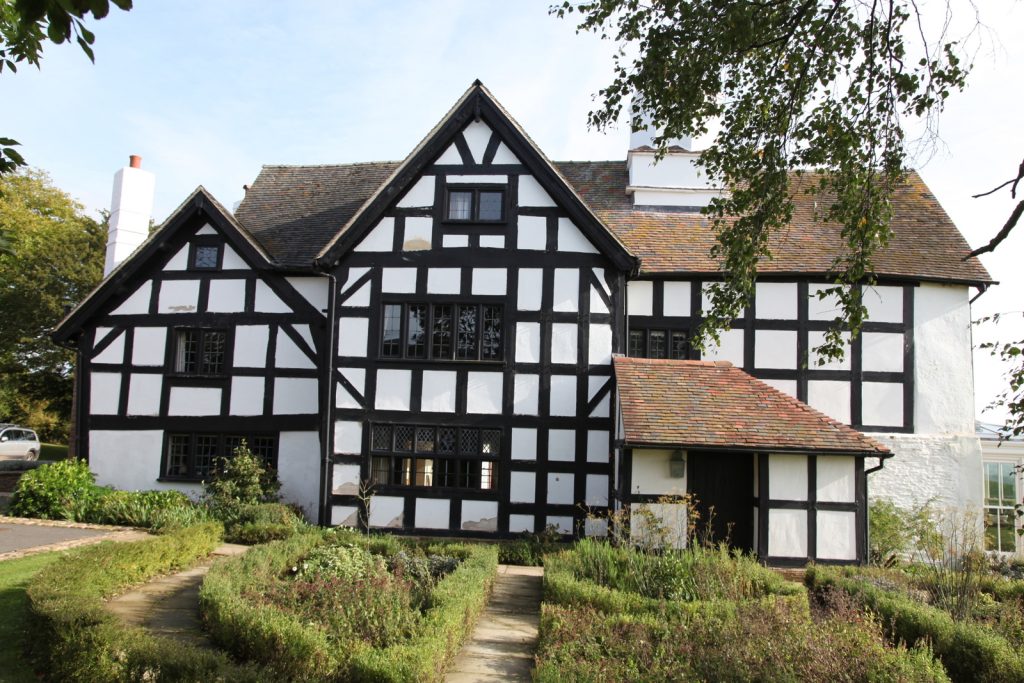
Timber framed buildings require particular expertise. The Team have worked on, taken apart, and rebuilt historic timber frames. We have studied and understand wood, and joinery. It is this deep seated understanding of timber frame building that sets us far apart from any other surveyors. We do a lot of Listed Building surveys in Kent, where there are many timber frames. Pete works with medieval Hall houses in Wales, and timber frames all over Shropshire, Herefordshire, Worcestershire and Gloucestershire.
We help prepare Listed Building Consent applications. Unlike other surveyors, we have close connection with our architect (who is a SPAB scholar), and can help prepare drawings needed. He can prepare a detailed Heritage Statement and Design and Access Statement.
Finally – we have all worked with craftsmen on numerous projects. Unlike most surveyors, we have run teams of contractors on Conservation projects across the country. We have excellent connections in London, Kent and the South East, the Midlands, and Northern England. We will help wherever possible in finding and selecting the right people to work on your building – and making sure they stay closely with the specifications and budgets set. These include stonemasons, lime plasterers, timber framers.
A big part of a Listed Building Survey is helping our client understand the building – the materials it is built with, how it has evolved over the ages, and how to maintain it. We take a close look at costs and materials – and help you schedule maintenance so you don’t suddenly get landed with big bills for unexpected work. A well maintained old building with all the right materials, should not cost much to keep in top shape.
Oh, by the way – Repairs to Listed Buildings are NOT VAT EXEMPT any more!!!
The legal side
One of the most critical aspects of any Listed Building Survey is its legal status. Peter is expert at finding breaches of Listed Building Consent. A Listed Building Surveyor needs to fully understand the legislation that protects Listed Buildings. There is a lot of it, and it constantly changes – from the old PPG15, through PPS5 to the NPPF that we currently work with. Pete has had an active role in helping shape this legislation through his involvement with IHBC, and the Consultations group which advises HMG on policy changes. You must remember that you inherit legal responsibility for any changes to the building which are not authorised. A good example of this – and one we often see – is people putting UPVC windows into a Listed Building. The house is sold, and the new owner then inherits responsibility. A knock on the door from the local Conservation Officer may well spell a VERY expensive experience. One Grade 2 Listed building in Birmingham that Peter has worked on has UPVC windows throughout. The owner was told to remove them and reinstate oak windows – nearly £100,000 later the building was given the all-clear by the local Conservation Officer. A Grade 2* building recently had Sprayfoam insulation sprayed all over the underside of the roof – its illegal and needs a new roof.
Every listed building consent will have a set of related documents which are archived by the local planning department. These will include plans and elevations of the building, which show the work to be done, and specifications. With this will be a Design and Access statement, and more recently a Heritage Statement – which should detail history of the building, materials to be used, and a number of other relevant issues. By looking at all of these documents relating to the application, Peter can build a picture of what has been done to the building, and whether it is legal. Unfortunately, once the application is approved, Conservation Officers rarely visit the building and inspect the works – we frequently find that specifications are not adhered to. A recent Listed Building Survey had application documents that clearly stated that no foam fillers were to be used. Every single window was fitted into the frame using foam filler. All of these will now have to be removed and re-fitted properly. In the same application, timber frame repairs were to be sealed with lime mortar. Cement was used, and again will have to be removed.
Listed Buildings are mis-understood by many. Often we hear of solicitors telling clients that ‘only the outside’ is Listed, or that ‘the listing only applies to the staircase’. The reality is that the entire building, inside and out, and anything attached to, or near it, will either be Listed or Curtilage listed. If in doubt – assume that it IS protected. This does NOT mean that you can’t maintain the building. Repairs and maintenance are exempt from the need for Listed Building Consent. Repairs MUST be done using materials sympathetic with the building – this is where most of the problems we find with Listed buildings can occur. Timber frames for example, are repaired using modern silicone sealants and glues which rot the timber almost immediately. Infill panels which were once wattle and daub are replaced with wire mesh and cement render – this also immediately rots the timber. Brick walls are re-pointed with cement which causes spalling of the brickwork. Property Care Association registered damp companies will do their ‘damp surveys’ and sell injection damp proofing – which actually constitutes Criminal Damage of a Listed Building. You cannot cause irreversible damage to a Listed building – if you do, you are likely to end up in court. That said, using traditional, breathable materials to maintain an old building is fun. Learning about them can be fun too – there are lots of great courses available, and the people who are involved are nearly always nice too!
Pete recently surveyed a Listed Building – Grade 2. Peter Cox damp proofing (a PCA company) had been sent in by a valuation surveyor to do a ‘timber and damp’ survey. They had recommended stripping priceless historic plaster and early Georgian skirtings and architraves – in order to ‘damp proof’ perfectly dry walls. Pete did a Historic Building Survey. Had the clients gone through with this scandalous Peter Cox Ltd recommendation, they would have been held liable for criminal damage of a Listed Building.
Why you need a specialist
Peter and the Team are specialists in Building Conservation and are Listed Building Surveyors. They know and understand the legislation which forms the basis of the Listing system. Peter has undertaken literally hundreds of Listed Building Surveys all over the country. Most RICS Chartered surveyors are not experienced or qualified to understand these buildings. Out of some 26,000 RICS surveyors in the country, only 133 are Conservation Accredited. The reasons are very simple:
To be able to survey a listed building, you also need to understand the building. This means knowing bricks, timber types, mortars, and roofing materials. Years of study will give you an insight as to how buildings have evolved over time, and how construction methods change.
You have to know how they are built. To be able to take them apart and rebuild. To understand lime mortars, the differences between hot lime and NHL’s. To know which pozzolans were used in the mortar, and how that affects weathering. If timber framing is involved, you have to fully comprehend how it is put together, where stresses fall on the frame, and what effect removal of various timbers has on the stability of the structure. Are the infill panels original? Is it now brick? How does this affect weight of the frame and resultant stresses?
We not only live in old, and Listed homes, we maintain them with traditional materials, we are used to writing Listed Building Consent applications and Heritage Statements. When we advise clients about Listed Buildings, we use our extensive knowledge of the cost of work to them. We have taken Listed Buildings apart, and rebuilt them. We know what it costs to repair a heritage building – what materials to use, how to use them, and where to get them. We never stop learning – attending CPD courses on a regular basis – run by SPAB, Weald and Downland Museum, Historic England, IHBC and others.
Listed or Heritage buildings seem to suffer from damp and timber decay problems. Actually they don’t – it is the people living in them that create the problems, and we work tirelessly to educate the public about how to keep a Listed building free from damp. It is not hard, and it is not expensive. The biggest problem with the standard surveyor is a lack of understanding of moisture. It is not taught – almost every RICS surveyor uses a ‘damp meter’ – these are useless, but they are an ever present reminder of the fact that RICS surveyors do not understand the single largest cause of damage to a building – water.
Listed building surveys are a specialised field – done properly by an historic building surveyor, you will learn a great deal about the building. The default organisation covering Historic, or Listed buildings used to be the IHBC (Institute of Historic Building Conservation) – Peter was a long time member of IHBC and very active within the organisation.
On the day
Peter always prefers to meet clients after the Listed Building Survey. It makes so much more sense that you can see and feel the Listed Building we are surveying, and look at, and understand the problems we see. It is so much easier to discuss a badly pointed brick wall for example, and to show you the cement pointing and angle grinder marks where wally builder has damaged the bricks. We discuss options, materials, specifications and costs – sometimes we can find a good local contractor to come and quote on minor works to put right. Don’t forget that repairs to Listed Buildings don’t need consent, so long as they do not materially affect the fabric – in other words they are like for like, and not a change.
You also need to be quite fit to be a listed building surveyor. We often have to access tiny holes and hatches that lead to hidden parts of roof spaces, or priest holes behind chimney stacks that many people did not even know existed. We don’t wear shiny shoes and white shirt and tie, or a jacket. You need to crawl under floors, and climb out of windows and tiny hatches that access the roof. Jeans and sweatshirt are the norm – you get dirty surveying a Listed Building!
Surveys of Listed Buildings are a pleasure – it is always a privilege to walk around such a wealth of history – trying to understand what has been done to the houses over the ages. The biggest problem with old buildings is people using modern materials. Damp problems start to occur when gypsum plaster is used to repair lime plaster for example. It traps moisture and causes all the symptoms of ‘rising damp’ which apart from not even existing, is a description of a symptom – not an actual problem or cause. Timber frames, discussed elsewhere on the site, are frequently abused over the years and we spend a lot of time working on framing problems. Surveys of timber framed buildings, whether or not they are listed, are difficult. If our client owns the building, we can be more destructive – opening up sections, removing rotted timber and so on. If we are doing a pre-purchase survey, it is often not possible to do any destructive work – so we depend on using thermal imaging cameras, thermo hygrometers, and other probes which may help indicate if there are areas of rot. Often just thick layers of paint tell us there are going to be problems. Sounding the timber with a good hammer will indicate whether it is in good condition – a happy ‘ring’ or a dull ‘thunk’ is what we listen for.
Recent surveys
Recent surveys we’ve done were in Hereford (magnificent Grade 2 listed timber frame) , Shropshire (Grade 2* town house – timber framed), London (Kensington Palace Gardens – very nice!), Manchester (a barn conversion owned by a real footballer’s wife – oh dear what a mess, with the identical ‘his and hers’ black range rovers out front!) , Oxford (An Admiral’s house), Stratford, Devon and Cornwall (an old Mine Captain’s house – beautiful, but falling down). Pete also does a lot of work down in Suffolk and has worked in Ely, Cambridge, Woodbridge and Ipswich – he likes the pubs down there! More recent surveys in Buckinghamshire (a Victorian cottage turned out to have been built around a medieval core that nobody knew was there), Wickham, near Southampton, Salisbury (Grade 2 – thick with modern materials causing damp – still ongoing), Marlborough – a beautiful mill, Leicestershire – old farmhouse..