
Understanding Mould: What It Is and Where It Comes From
Mould is a type of fungus that thrives in moist environments, playing a natural role in the outdoor ecosystem but posing significant risks when it takes root inside our properties. Whether you are dealing with a few unsightly black spots in the bathroom or a larger, persistent damp issue, understanding the science behind mould is the first step toward achieving a healthier, cleaner indoor environment.
What is Mould?
Mould is a microscopic organism belonging to the Fungi kingdom, making it biologically distinct from both plants and animals. Unlike plants, which create their own food via photosynthesis, mould survives by absorbing nutrients from the organic matter it grows on. When mould establishes a colony indoors, it grows in a network of multicellular, thread-like filaments called hyphae. As these networks expand, they form the visible, fuzzy patches we recognize on walls, ceilings, and everyday surfaces. While some moulds are celebrated for their uses in medicine (like penicillin) or food production (like blue cheese), indoor domestic moulds are problematic, capable of damaging building materials and triggering respiratory issues, allergies, or asthma.
Where Does Mould Come From?
Mould does not simply appear out of nowhere; it originates from microscopic spores that are a natural, permanent fixture of the outdoor air.
1. The Air Around Us
Mould spores are ubiquitous, meaning they are everywhere. Because they are incredibly small and lightweight (ranging from 2 to 100 microns), they float effortlessly on the breeze. They enter our properties through completely normal avenues:
- Open windows and doors
- Ventilation systems and air bricks
- Hitching a ride on clothing, shoes, bags, or pet fur
2. The Golden Opportunity: Moisture
In a dry, well-ventilated property, these floating spores remain entirely inert and harmless, eventually settling into standard household dust. In a dry, well-ventilated property, floating spores remain inert and harmless. However, the moment a spore lands on a surface that provides moisture, oxygen, and an organic food source, it germinates within 24 to 48 hours.
Indoors, this vital moisture usually stems from three main culprits:
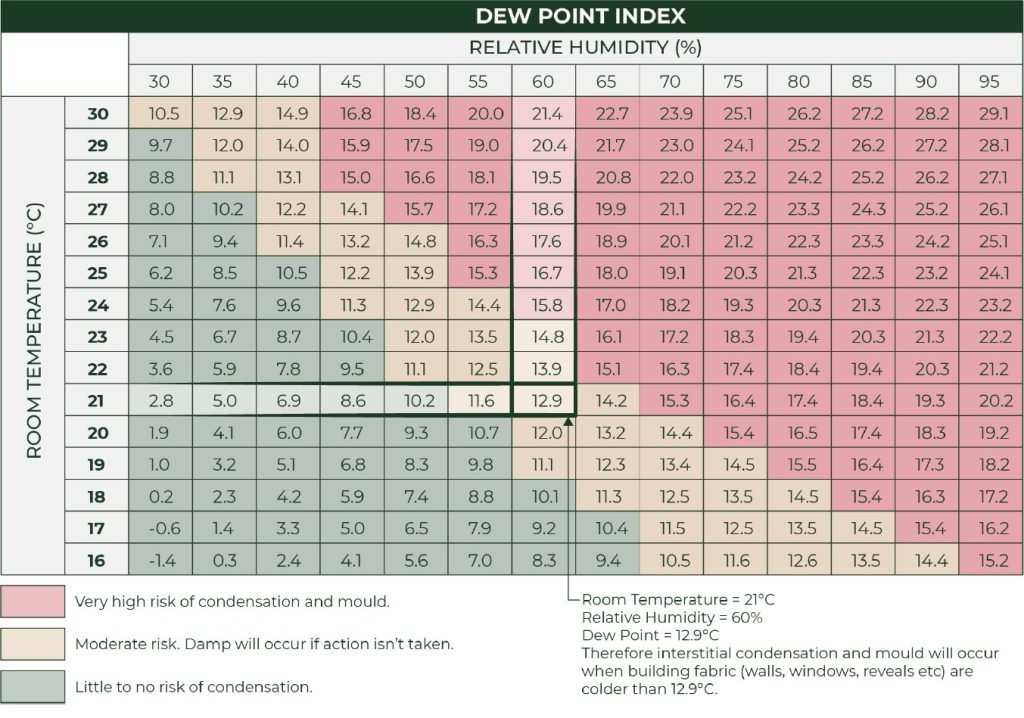
- Condensation: The leading cause of domestic mould. When warm, humid air from humans, showering, cooking, or drying clothes hits a cold surface (like an uninsulated wall or window pane), it turns into water droplets, creating a perfect breeding ground. Scientifically speaking, mould needs an environment that is constantly around 95% RH (Relative Humidity) or more. For this to happen, moisture levels in the air of the room need to be continually high, and surfaces need to be cold – windows, window reveals, cold exposed outer walls – for example underneath bay windows.
- Building Faults: Leaky pipes, damaged roof tiles, blocked gutters, or rising damp can introduce structural water that feeds hidden mould.
- Poor Ventilation: Stagnant air traps humidity inside, allowing moisture to soak into surfaces rather than escaping outside
What Does Mould Feed On?
Once moisture is present, mould can digest almost any organic material. It secretes enzymes to break down common household materials, including:
- Drywall, plaster, and wallpaper
- Woodwork and floorboards
- Carpets, upholstery, and clothing
- Dust and surface dirt
- Fibreglass insulation in your loft space – dark, greenish insulation is a sure sign of serious mould contamination in lofts.
By controlling indoor humidity levels and addressing damp issues immediately, you effectively starve the spores of the environment they need to survive.
From a building survey perspective, mould is an active symptom of a broader moisture problem. Leaving mould unaddressed triggers a chain reaction of property and health issues.
1. Health Risks & Well-being of occupants:
Living in a damp, mouldy environment poses documented health risks, particularly for vulnerable occupants (children, the elderly, and those with pre-existing respiratory conditions).
- Respiratory Issues: Spores and mycotoxins inhaled into the lungs cause coughing, wheezing, and chest tightness.
- Allergic Reactions: Exposure frequently triggers sneezing, red eyes, skin rashes, and runny noses.
- Asthma Exacerbation: Damp housing is a primary environmental trigger for severe asthma attacks.
2. Material & Structural Damage
Mould secretes enzymes to digest organic substrates, actively destroying the materials it grows on:
- Surfaces: Destroys wallpaper, degrades plasterboard, and rots timber framing.
- Property Value: Persistent damp and mould ruin decorative finishes and, if left unchecked, can compromise structural elements like floor joists, leading to costly remediation.
Prevention & Control Strategies for Mould
Effective property management shifts the focus from reactive cleaning to proactive prevention. Managing mould requires balancing building performance with occupant behavior.
- Maintain Adequate Thermal Comfort: Ensure properties have functional, efficient heating systems. Keeping ambient indoor temperatures consistent prevents walls from dropping below the dew point where condensation forms. Here, the magic 15 Degrees C, 50% RH, and Absolute of 7 grams/m3 moisture content of the air is essential. See the diagram below of safe moisture levels.
- How do you know the moisture content of the air? We recommend using a thermo-hygrometer to show you how much water there is in the air of your home. The best is a little piece of kit that you can install in your home with probes in different rooms, including outside. A little App on your phone records this data and you can see how moisture levels vary, and which rooms are worst. This is a link for the kit – its only around £60 and a valulable investment in your well-being.
- Upgrade Mechanical Ventilation: Install humidistat-controlled extractor fans in high-moisture zones like kitchens and bathrooms to automatically clear humid air. Humidistat design is important – it must be driven by the Absolute – NOT Relative Humidity. We explain this more in other pages of this site, and in detail in the Warm Dry Home book
- Remedial Surveying: Regularly inspect gutters, roof flashing, and external brickwork. Addressing external defects immediately prevents penetrating damp from creating internal areas that are damp and cold – thus inviting mould colonies.
- Educating Occupants: Provide clear guidance to residents on minimizing indoor moisture, such as covering pots while cooking, avoiding drying laundry indoors without a dehumidifier, keeping trickle vents open, opening up fireplaces and chimneys to allow air flow,
Removing Mould:
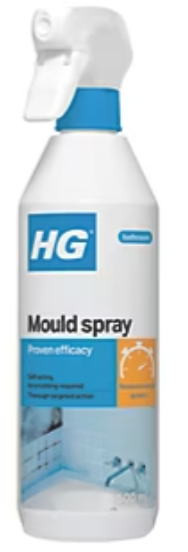
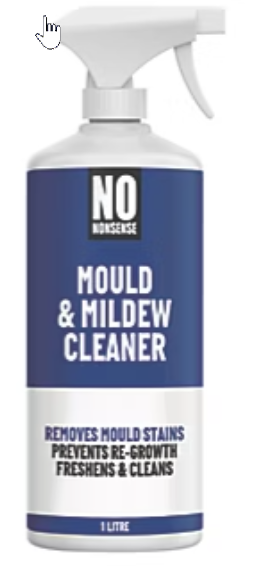
This is an area of serious misinformation. Mould should NOT be removed with any of the vast array of chemical products being sold. HG Mould remover, Vinegar, Bleach (Sodium hypochlorite), mould preventive paints, or any chemical biocides. The only simple and SAFE way to remove mould is a combination of warm soapy water, and where this is not easy (furniture, bedding for eg) the use of a vacuum cleaner with a HEPA filter capable of trapping dust down to 1 micron in size. There is an enormous industry building on the back of mould removal – similar to the Damp Industry and its fraudulent injection damp proofing. Don’t be tempted to use chemical methods – they aggravate mould spores, which explode and spread toxins into the air. Wiping down with soapy water traps and encapsulates the spores, which you can then wash down the sink. Once mould has been removed – you MUST follow the guidance to prevent a re-occurrence – by lowering atmospheric moisture, and gentle background heating. All the products below are examples of things to avoid – they are toxic chemicals, and will irritate mould and release toxins into your home.
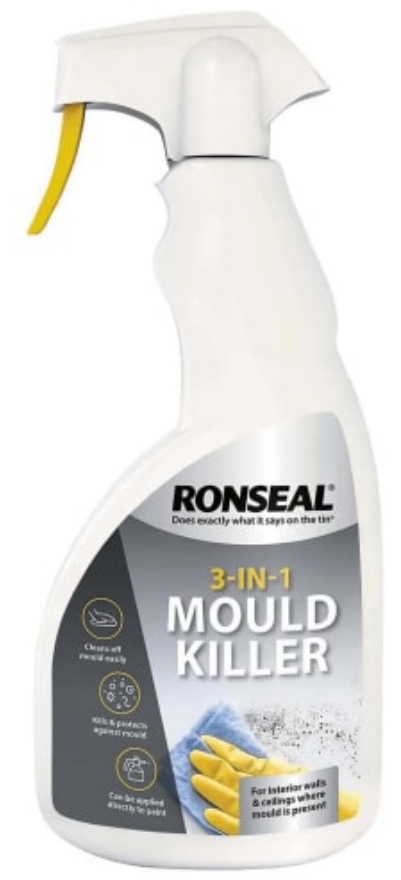
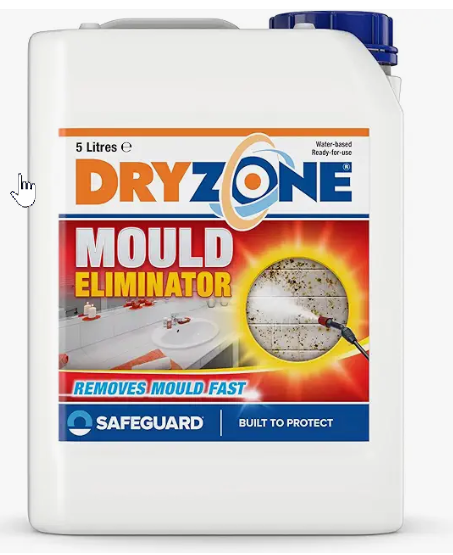
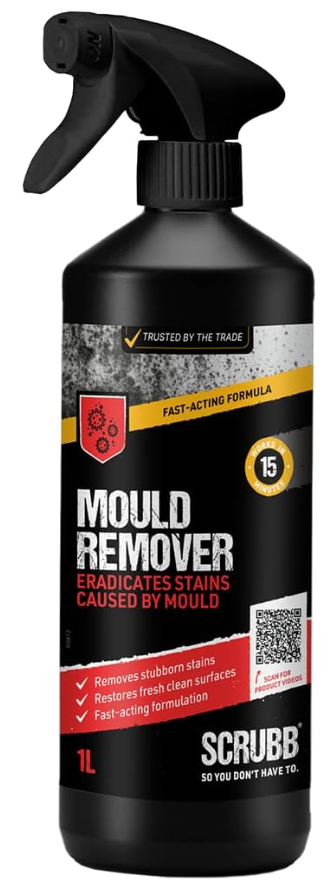
Don’t try to paint your way out of mould problems – you cannot!
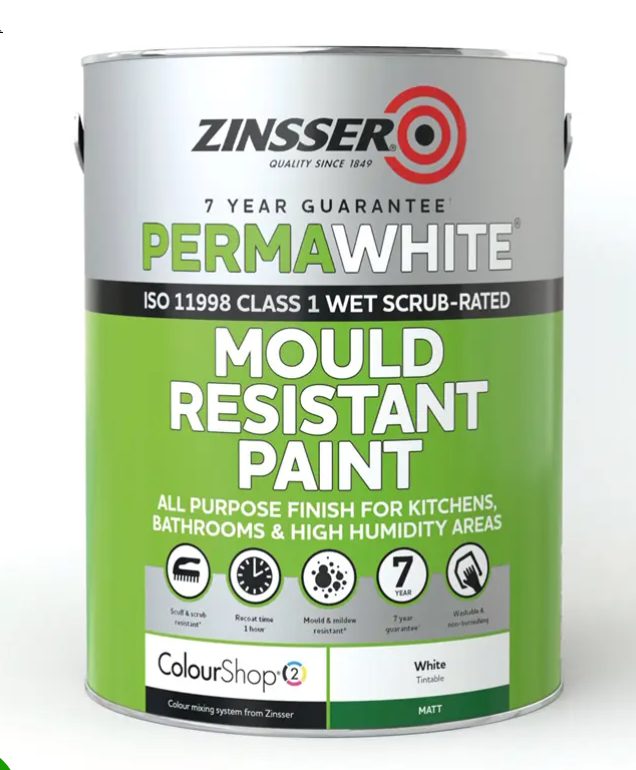
Mould resistant paints are just a means of covering the problem. Mould will return. You havent diagnosed and sorted out the cause. This sort of chemistry is expensive, and relies on people’s lack of understanding of the issue. Stop mould forming with better ventilation and lower moisture levels in the air. You can’t paint your way out of it!