Limelite, and all those other ‘pre-mixed’ renders…
We get a lot of queries about Limelite Renovation Plaster. People ask us whether it is suitable to use on breathable old walls.
In our view, avoid it like the plague. Looking at the technical specs for the stuff, it specifically says:
“It is designed to have similar properties to a 1:1:6 cement:lime:sand plastering mortar, but with Perlite lightweight aggregate replacing the sand. Man-made fibres are incorporated into the mix to control shrinkage and improve flexural strength”
Further down in the spec sheet it says:
“Provides a barrier against salt transfer”
“Appearance as supplied: Fine grey powder”
We have seen this stuff used on many occasions. It is horrible stuff – it traps moisture into walls, and has a portland cement content – heaven knows why anyone would call something a ‘renovating’ plaster if its got cement in it. Every time we encounter it, we have to remove the damn stuff, and dry the walls out behind it. These same walls are then re-plastered using proper lime plaster, and the walls stay dry. This is hard proof of the fact that it is NOT breathable as claimed by the manufacturer, and should NOT be used in ‘renovation’ or proper restoration products. Why a manufacturer tries to make snake oil products like this I have no idea – it would be far easier just to stick some good honest hot lime in a bag and mix it with fine sand with instructions to mix and plaster the wall.
Limelite Renovating Plaster appears to contain cement – the technical spec says it does. Why? To make it set quickly of course – and then it won’t breathe.
I find it rather amusing that they go on to say:
“Limelite Renovating Plaster is used for plastering most traditional background materials during renovation work and also following the installation of a new damp-proof course or system.”
“Durability: Providing the installation of the damp-proof course and application of the plaster has been carried out correctly, Limelite Renovating Plaster should remain effective as long as the damp-proof course or system itself.”
Really!!!!
So they are actually producing a ‘salt retardant, renovating plaster that works for the damp proofing wallys’. Why else would you state in your technical specs that it can be used following the installation of a totally unwarranted and never needed ‘damp course’ or even ‘damp course system’ – yup, its designed for the PCA Damp Wallys.
Got news for you folks – Limelite is rubbish – dont use it – avoid it like the plague – and use good, honest lime plaster – which doesn’t need a sales and marketing angle of ‘renovating plaster’ – lime plaster is used in restoration, not renovation. Renovating is for the pca damp wally. Restoration is for real people restoring old breathable houses to breathability and doing it properly, not with a 1:1:6 cement lime mix that is the bane of anyone’s life working on old houses.
So..
Limelite Renovating Plaster gets my thumbs down as a product – its rubbish in my view and should never be used. If you do – you’ll end up with wet walls. Just like it says on the tin – it will be as effective as the damp course system – in other words, its complete and utter rubbish and shouldn’t be used.
How to tell if a product is not right for an old building?
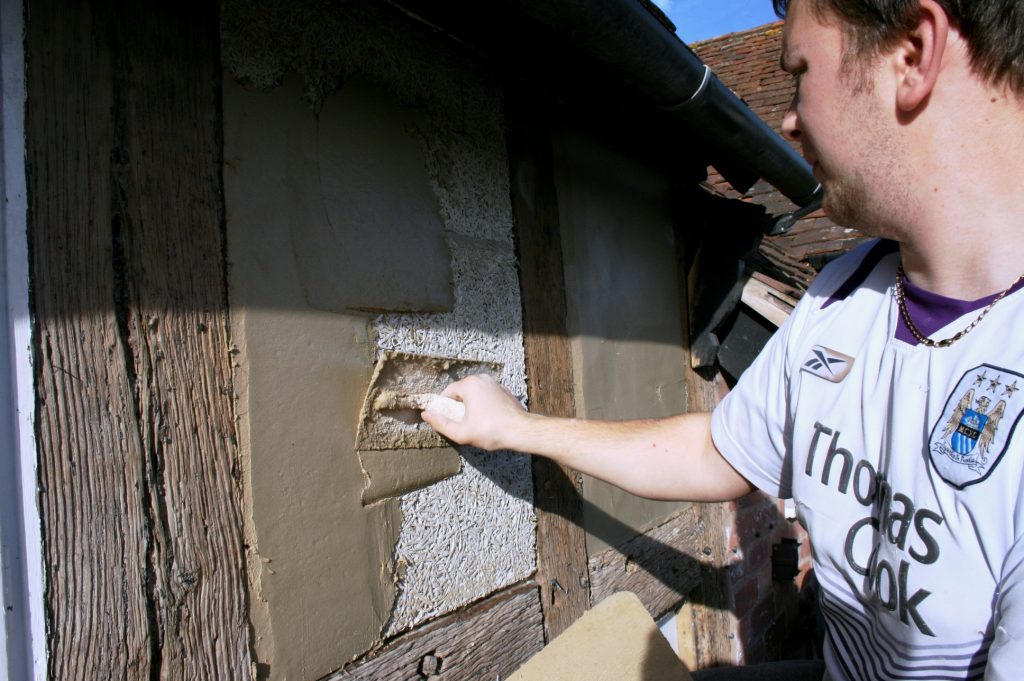
It’s actually fairly easy to tell. If it comes in a bag, and you just mix it up with water – its what we call a ‘pre-mix’ product. Chemical companies make a lot of money putting lime and aggregate into bags, adding all sorts of chemicals like wax, pozzolans, plasticisers and more – to make it workable. All of these things reduce the breathability of the material – making it increasingly like a bag of cement. Most lime suppliers hold stocks of these ready mixed materials because they make money on them. The best, and cheapest materials are those that are just lime and aggregate, plus or minus fibres of one sort or another. A lot of folk ask us about renders – there is a bewildering amount of bagged render – some of which is pure portland cement, others are fancy Italian sounding names – but all equally as awful in performance. Why buy a bag of render that’s come from Italy or Portugal, when there are perfectly usable materials available in the UK. A decent contractor will always mix their own.
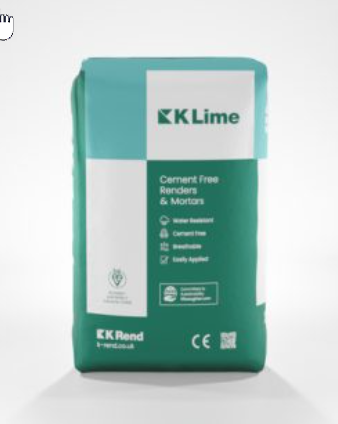
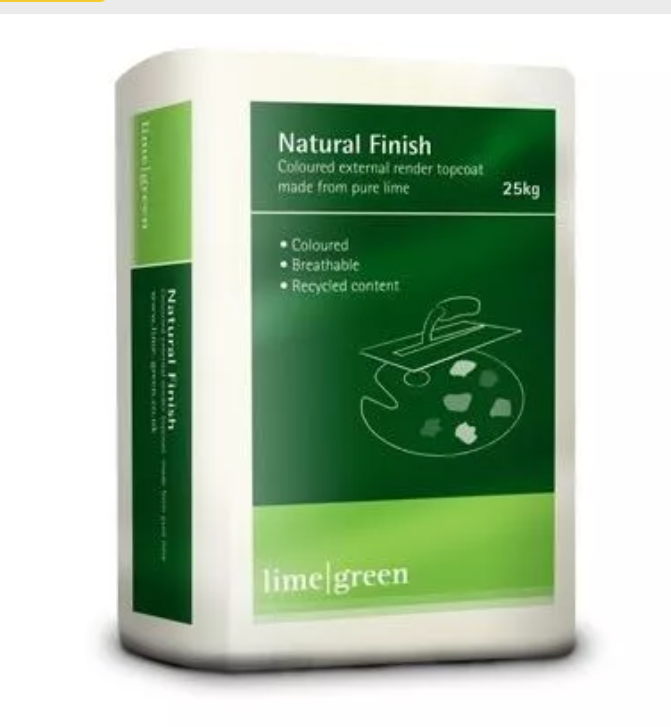
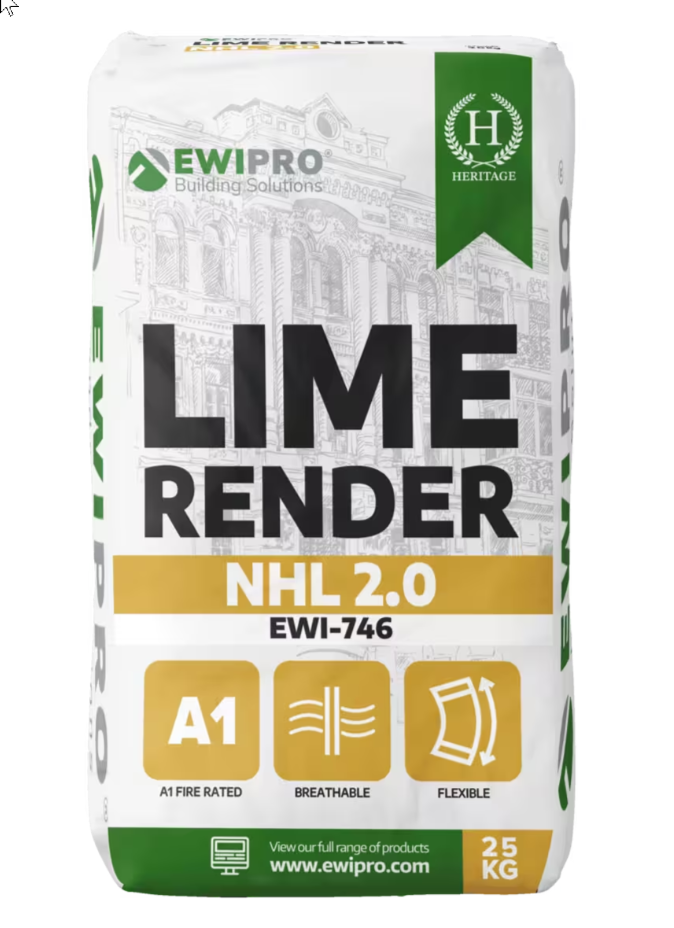
All the bags below include un-named ‘additives’ in the technical description. These bags vary from 25 to 35kg – and prices some over £65 a bag. Architects often specify this sort of thing, as it’s easier to give a product name, rather than a tight specification such as ‘hot mix lime reder using locally sourced sharp aggregate.