Our building surveys frequently encounter problems with stone and brickwork. It can be costly to repair damaged stone or bricks, and expensive in terms of internal damage. A key feature of surveys on historic buildings is assessing the future cost of inappropriate measures – damage caused, ongoing deterioration, and the cost of remedial measures. Our advice includes an assessment of removal methods, suitable materials, and methods.
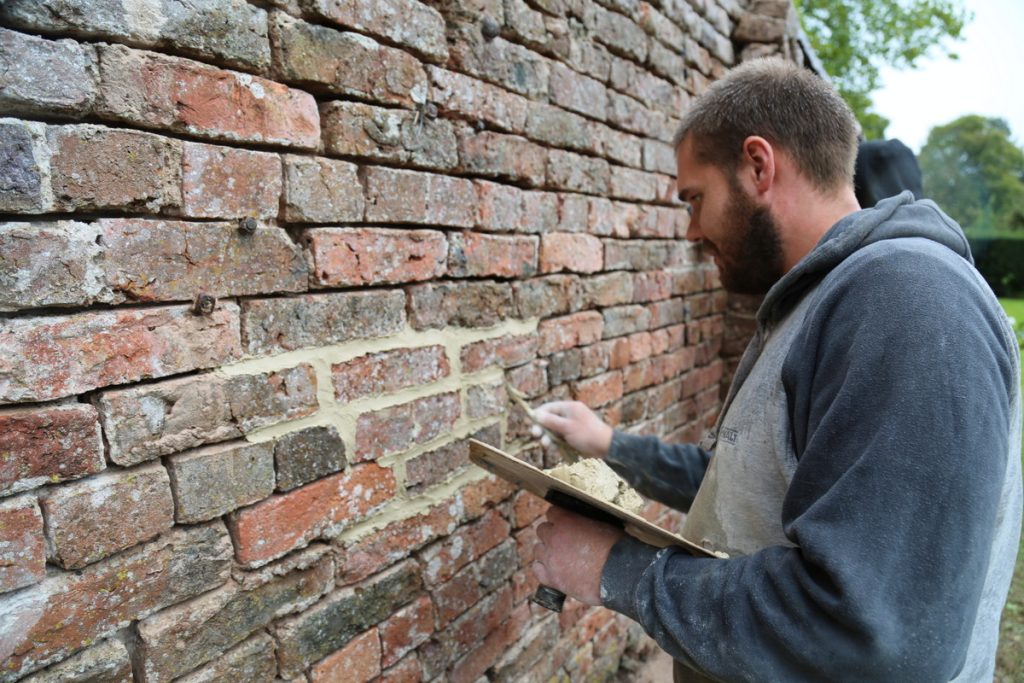
Britain enjoys a huge variety of different building stones – from hard, glittering granites of Cornwall and Devon, to soft buff coloured Bath limestones, and the forbidding hard, grey slates of Wales. Wherever we work on surveys, we see problems typical for the area. These often involve the use of cement to ‘repoint’ or render stone walls. If lime mortar, or mud, is replaced with cement, the wall can no longer lose moisture which diffuses through it. One of two things will happen:
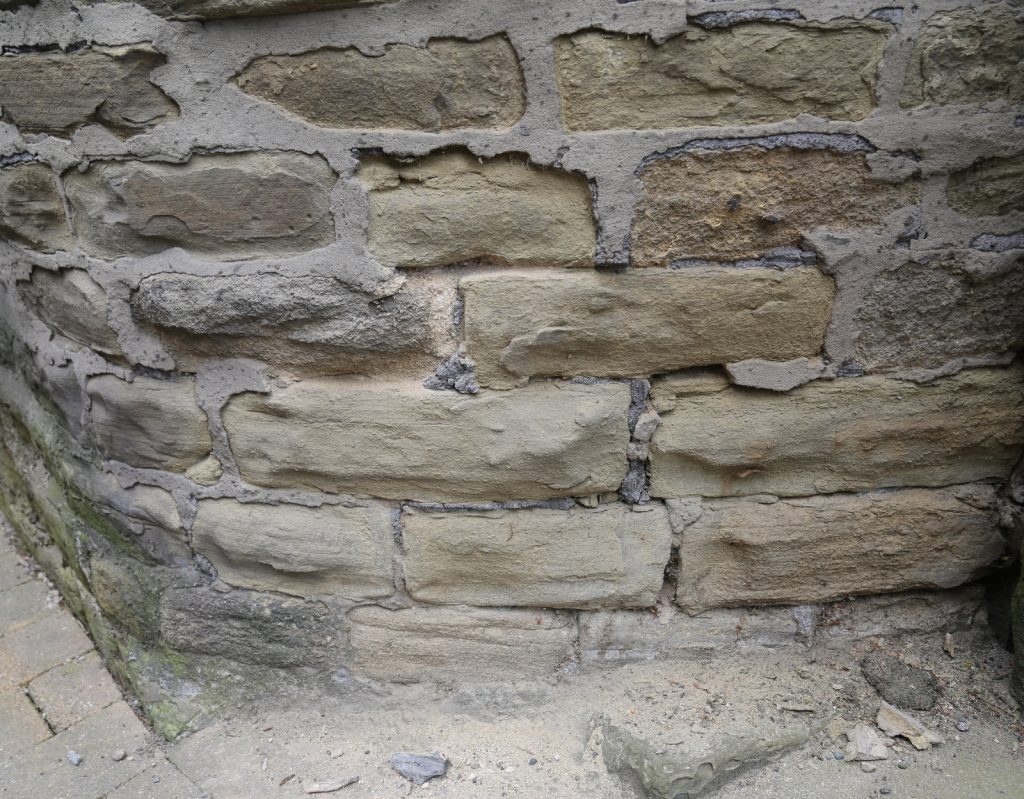
…If the stone is very hard, like granite, slate, dolerite, or some of the very hard limestones – mortar joints become soaking wet, and the house will be physically wet inside. We’ve seen situations where every piece of timber in an outside wall was rotted. If the stone is soft and porous – bath stone, soft sandstones, soft limestones and siltstones (many of the cottages in Shropshire’s Corve Valley are built from these siltstones) – the stone itself will disintegrate as moisture tries to exit the wall. The house internally may not be so damp – the wall is able to stay relatively dry, but at the expense of the stone itself.
A particularly bad example can be seen here: Damage to stone wall by cement. This is a Shropshire railway station building, cement rendered and very wet internally. Behind the cement, stone had almost entirely disintegrated.
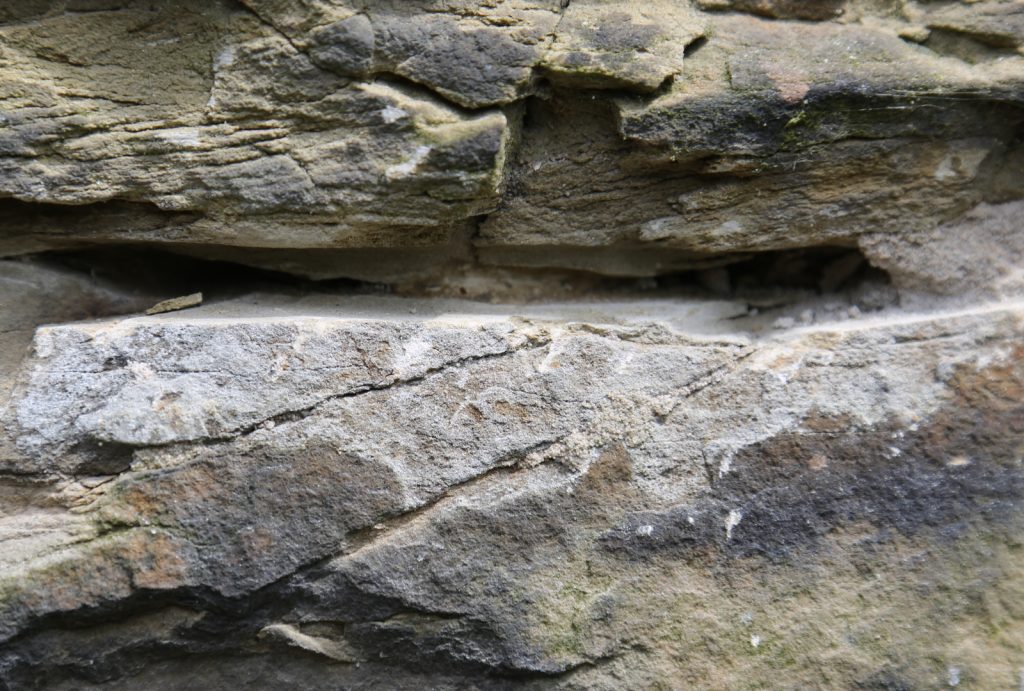
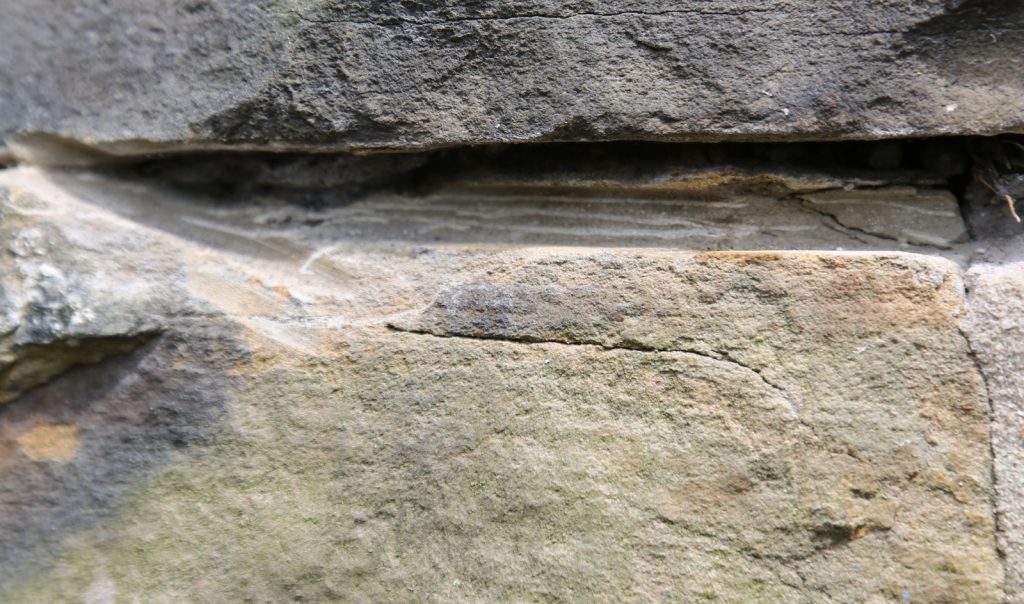
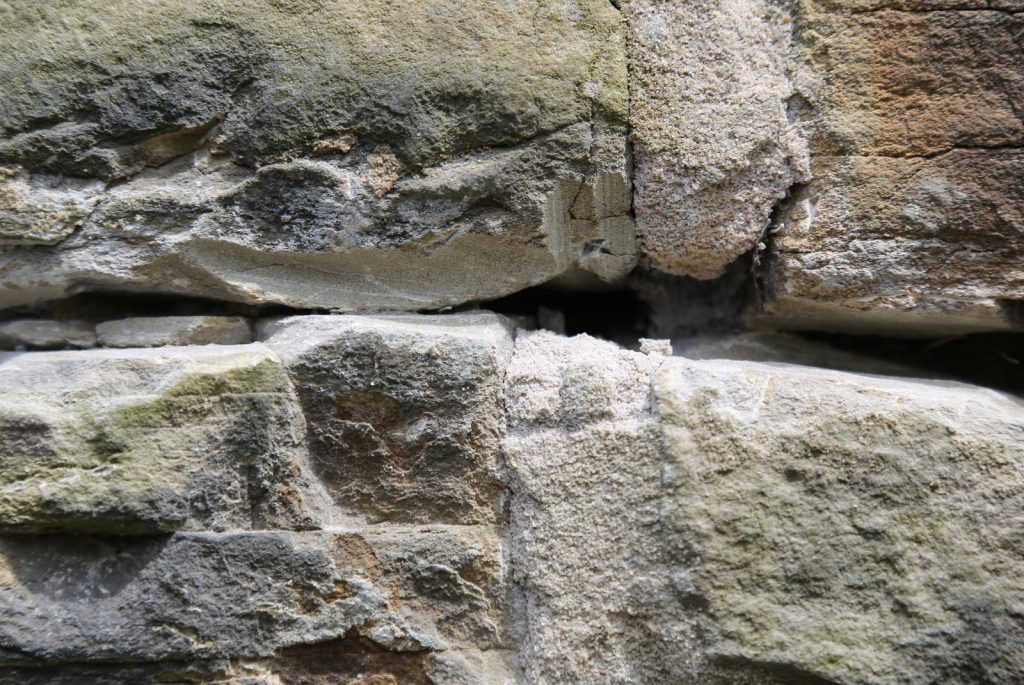
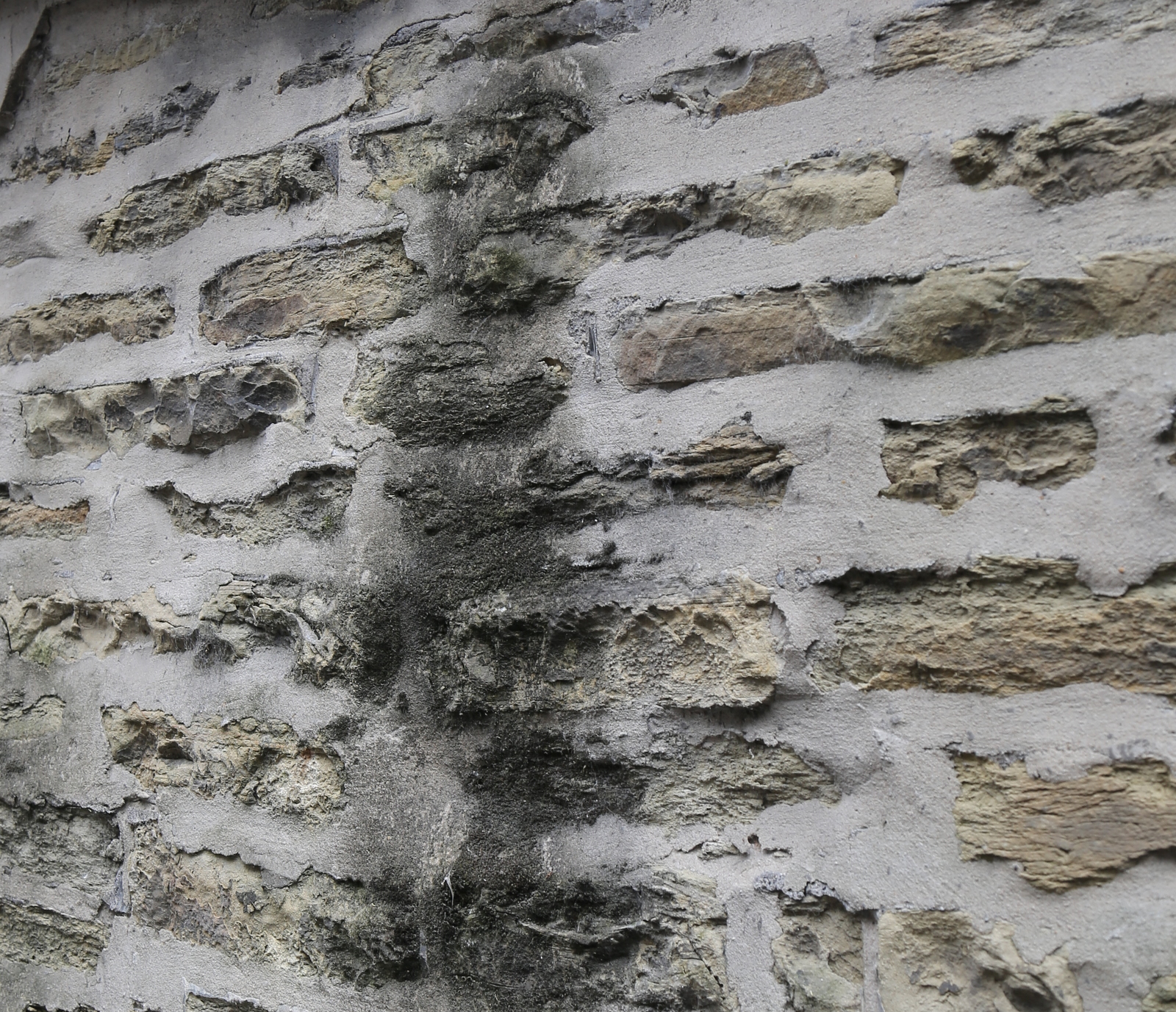
The set of photos shown below are from a Grade 2 listed house near Manchester – built with soft sandstone. Terrible damage has been done to the stone, and the house is damp inside as a result:
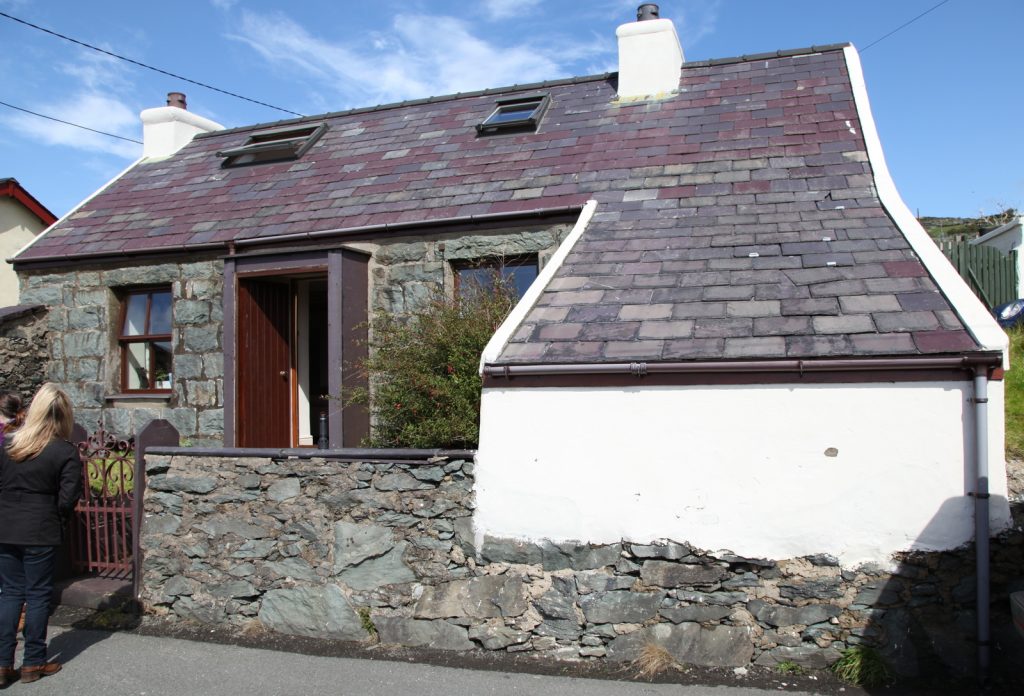
Welsh Quarrymans Cottage
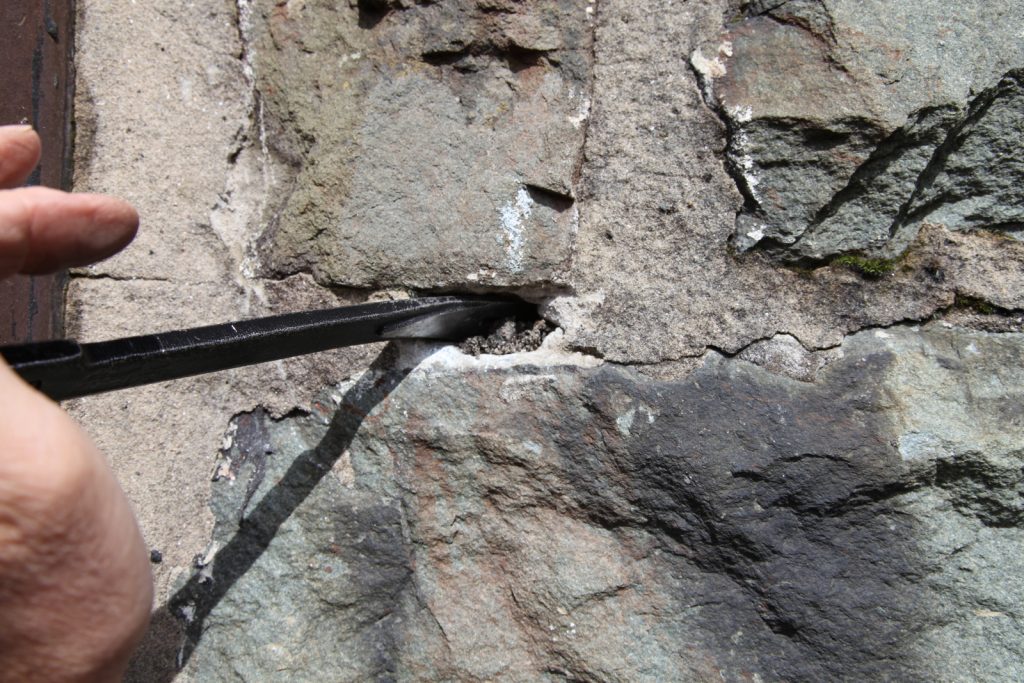
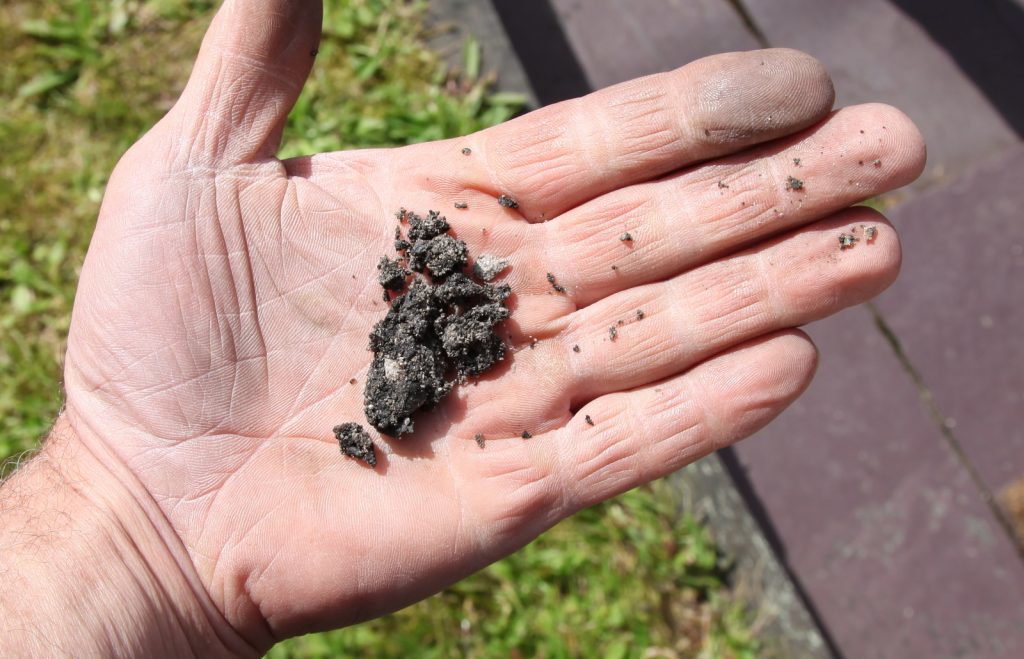
We surveyed this cottage, which was sopping wet internally. Very high humidity readings. Externally it appeared dry. Built with slate, and pointed with cement. We removed cement pointing to find lime mortar behind which was literally mud. Simply removing the strap pointed cement, allowing the joints to dry out, and re-pointing in lime solved all the problems. We also recommended removal of gypsum plaster internally, and replacement with lime plaster.