
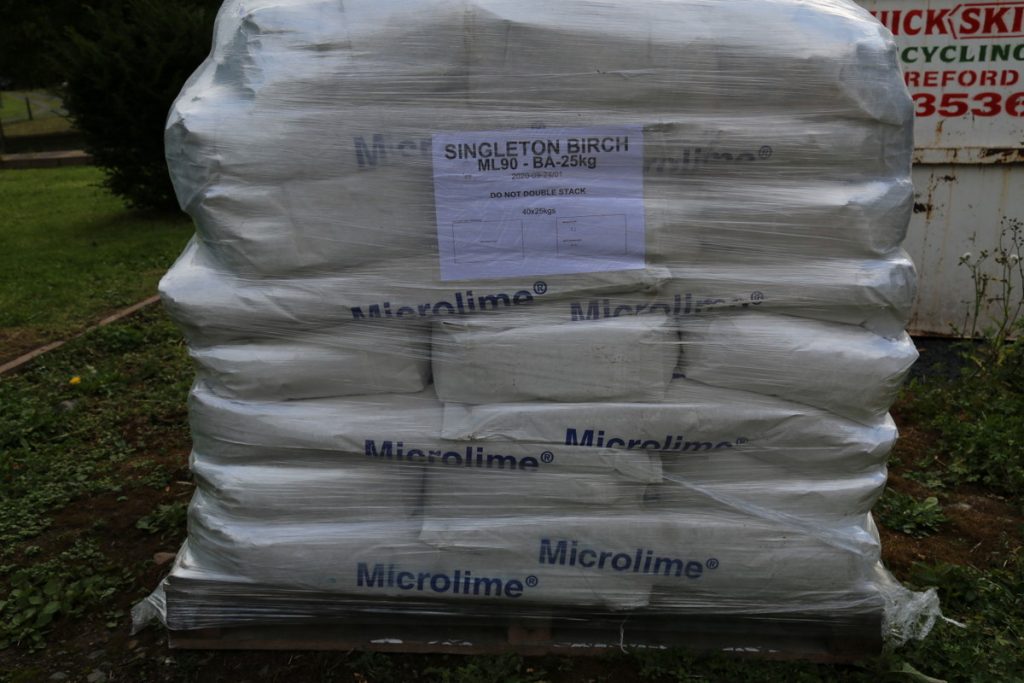
Hot Lime Mortar
The majority of lime mortars used in conservation work today are mixed from lime putty or powdered NHL, but is this what would have been used originally in construction?
There is a really good article by Gerard Lynch, called “The Myth in the Mix” on www.buildingconservation.com, which describes old textbooks and site journals expressing quantities of lime ratios in quicklime format, to be slaked on site, opposed to ready slaked Lime Putty. The point of the article is to try to explain why a 1:3 quicklime mix is similar in composition to a say 1 : 1.5 Lime Putty Mix.
So why would quicklime be used instead of Lime Putty? It is possibly due to transportation costs and storage. Lime putty contains water and is wet, quicklime is dry and half the volume (roughly) before slaking than the Lime Putty. Using 1:2 ratio mix using putty makes a weaker mix than using the same ratio of quicklime, due to the lack of water in the quicklime. Thus the mortar is more lime rich, and stronger.
These days, the experts all tend towards using a quicklime ‘hot’ mix rather than NHL’s.
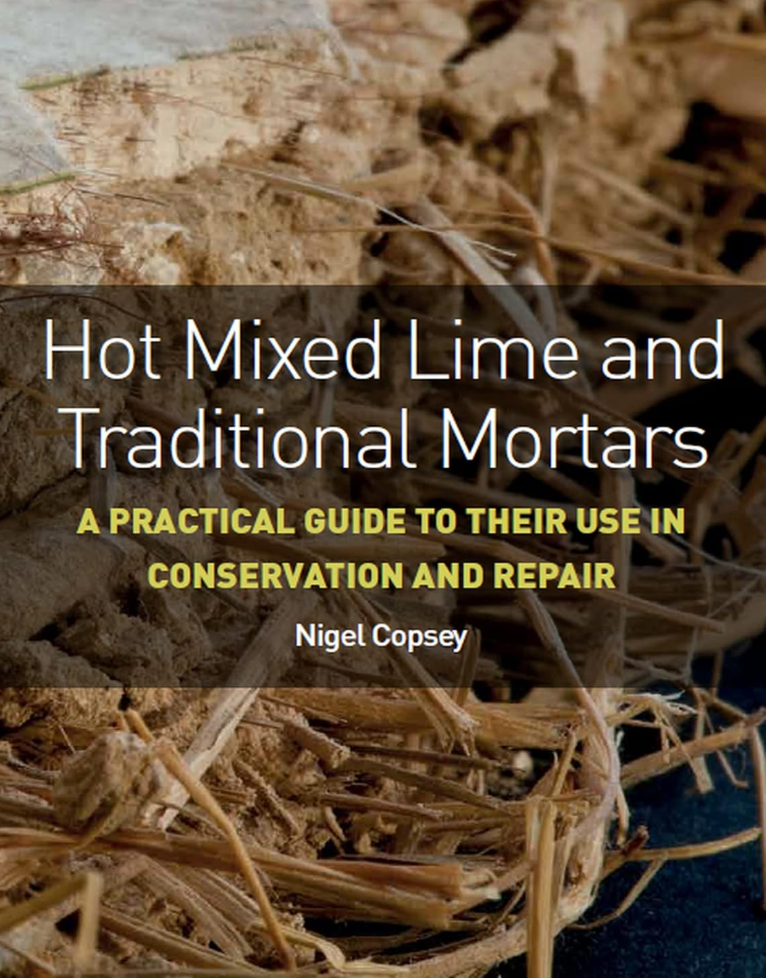
This is THE book to get on the subject..
Nigel is the authority on hot mix, and has researched hot lime versus NHL mortars at length. It’s a great read, with practical advice on using these mortars.
Alison Henry – Historic England, recently published a short paper explaining the limitations of lime putty mortars – together with concerns about NHL’s. Its very short and succint, but hits a lot of nails on the head as to where the differences lie. Well worth a read.
To put this in perspective I have recently undertaken a renovation project where I have used about 4 tonnes of Lime Putty , with 8 tonnes of sand, using either a 2.5:1 – 2:1 mix for most finishes. That’s 12 tonnes of material for just the renovation. How many tonnes were used in construction, 40 , maybe 60 ? If I were to slake the lime on site I could have reduced the quantity of material needed by 2 tonnes of Lime, thus by around 20%.
Almost all the work we specify these days is hot-mix. I’ve recently worked on my little Grade 2 listed cottage in the north, and all of the walls are covered with a hot-mix insulated plaster. It is very effective, and has made the building so much warmer than it ever was before.